A haven for wildlife, where lush mangroves and winding rivers host a wide variety of animals! You may see 3 types of monkeys, sloths, tropical birds, and crocodiles, just to name a few.

White-Faced Capuchin Monkey (Cebus capucinus)
– Size: Up to 45 cm (18 inches) tall, with a 55 cm (22 inches) tail.
– Weight: 2.5 to 3.5 kg (5.5 to 7.7 lbs).
– Habitat: Found in the canopy of mangroves and rainforests.
– Diet: Omnivorous—eats fruits, insects, small mammals, eggs, and sometimes birds.
– Behavior: Very intelligent. They use tools, such as sticks, to dig or extract food.
– Social Structure: Live in troops of up to 20 individuals, led by a dominant male.
– Cool Fact: They’re named after Capuchin monks because of the dark fur “hood” on their heads.
– Conservation Status: Least Concern, but habitat destruction is a growing threat.

Squirrel Monkey/Mono Titi (Saimiri oerstedii)
– Size: 25 to 35 cm (10 to 14 inches) tall, with a tail about the same length.
– Weight: 0.5 to 1 kg (1.1 to 2.2 lbs).
– Habitat: Found in the rainforests, mangroves, and lowland forests of Costa Rica.
– Diet: Omnivorous—feeds on insects, small vertebrates, fruits, and flowers.
– Behavior: Highly active and agile, they are constantly moving and foraging in the trees.
– Social Structure: Travel in groups of 20 to 75 individuals, making them highly social animals.
– Cool Fact: The Central American Squirrel Monkey is one of the smallest monkeys in the region and communicates through various vocalizations, including whistles and squeaks.
– Conservation Status: Vulnerable due to habitat destruction and human activities..

Mantled Howler Monkey (Alouatta palliata)
– Size: 50 to 92 cm (20 to 36 inches) in body length, with a tail as long as their body.
– Weight: 4.5 to 9 kg (10 to 20 lbs).
– Habitat: Prefer mangrove forests, lowland rainforests, and primary forests.
– Diet: Mostly leaves, but also eats fruits and flowers.
– Behavior: Loudest land mammal. They are famous for their deep, booming howls that can be heard up to 3 miles (5 km) away—used to communicate with other troops.
– Social Structure: Live in groups of up to 20 individuals, with a male-dominated hierarchy.
– Cool Fact: Their prehensile tail is used as a fifth limb to help them move through the trees.
– Conservation Status: Least Concern, though habitat fragmentation is a threat.

American Crocodile (Crocodylus acutus)
– Size: Up to 5 meters (16 feet) long!
– Habitat: Swims in both saltwater and freshwater.
– Diet: Fish, birds, small mammals—anything that comes too close!
– Cool Fact: They can live over 70 years and have the strongest bite force of any living animal!
– Conservation Status: Vulnerable due to habitat loss and hunting.

Central American Tree Boa(Corallus ruschenbergerii)
– Size: Typically 1.5 to 2 meters (5 to 6.5 feet) long, but can grow up to 3 meters (10 feet).
– Habitat: Prefers lowland forests, mangroves, and swampy areas, often found coiled in trees or shrubs.
– Diet: Carnivorous—feeds primarily on small mammals, birds, and lizards. It hunts by ambush, striking with lightning speed and using constriction to subdue its prey.
– Cool Fact: The Central American Tree Boa has impressive flexibility and agility, using its prehensile tail to help anchor itself as it moves through the trees.
– Conservation Status: Least Concern, as it has a wide distribution and is not currently under significant threat.!

Common Basilisk (Basiliscus basiliscus)
– Size: Up to 80 cm (31 inches) long.
– Habitat: Prefers the mangrove swamps and forest edges.
– Diet: Insects, small lizards, and plants.
– Cool Fact: Nicknamed the “Jesus Christ lizard” because it can run on water using its large, webbed feet!
– Conservation Status: Least Concern.

Scarlet Macaw (Ara macao)
– Size: Around 80 cm (31 inches) long.
– Habitat: Prefers tropical rainforests and mangroves.
– Diet: Fruits, nuts, and seeds.
– Cool Fact: Their vibrant red, yellow, and blue feathers make them one of the most stunning birds of Costa Rica.
– Conservation Status: Least Concern. With added protection for their habitat, Scarlet Macaws are making a comeback.
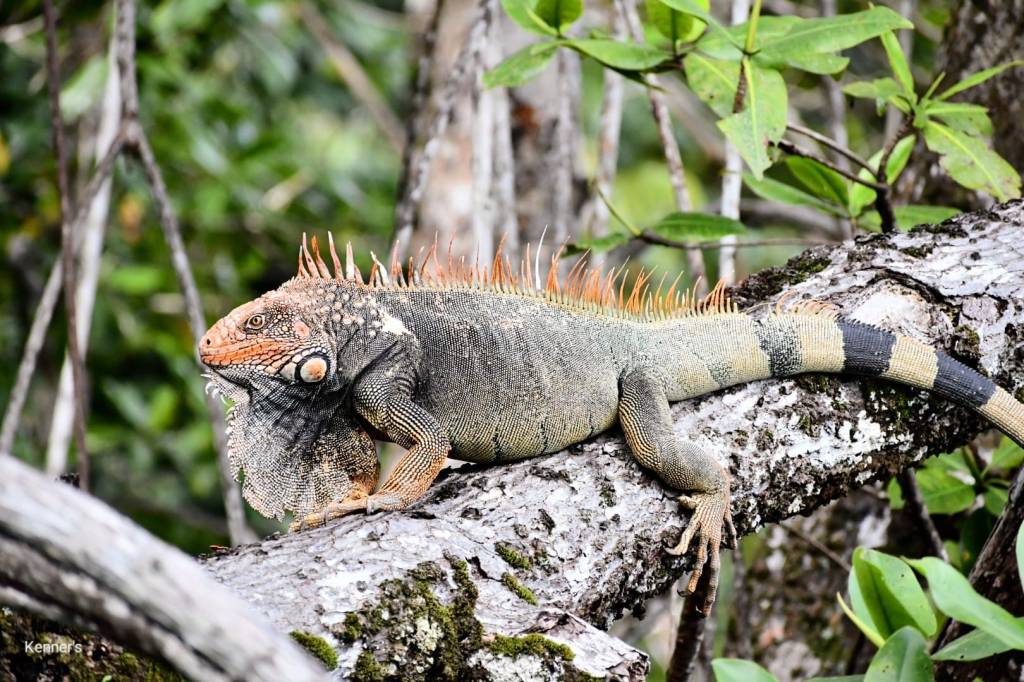
Green Iguana (Iguana iguana)
– Size: Up to 2 meters (6.5 feet) long.
– Habitat: Found in the trees along rivers and mangroves.
– Diet: Leaves, flowers, fruits—primarily a vegetarian.
– Cool Fact: Iguanas can fall from up to 50 feet and survive by using their claws to cling to branches or diving into the water!
– Conservation Status: Least Concern.
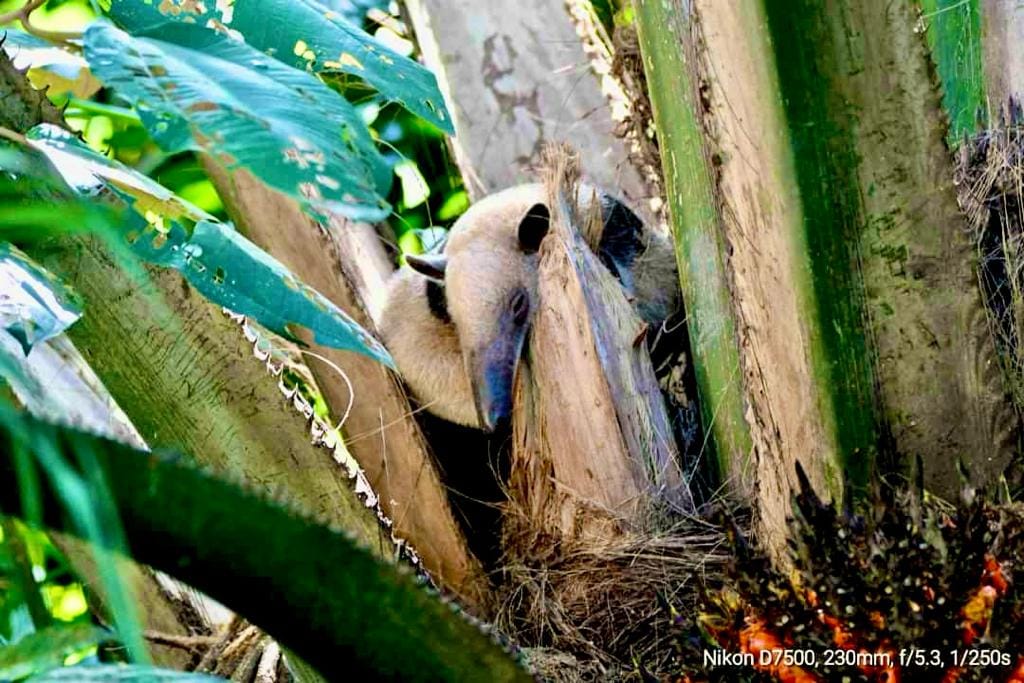
Northern Tamandua (Tamandua mexicana)
– Size: About 60 cm (24 inches) long, with a tail measuring 40 cm (16 inches).
– Habitat: Found in mangrove forests, lowland rainforests, and dry forests, often near rivers and streams.
– Diet: Specialized insectivores—primarily feed on ants and termites using their long, sticky tongues, which can extend up to 40 cm (16 inches).
– Cool Fact: Tamanduas do not have teeth; they crush insects with their powerful stomach muscles, however their tail is fully prehensile, helping them navigate through the treetops as they forage for food.
– Conservation Status: Least Concern, though habitat destruction can pose a threat to localized populations.

Raccoon (Procyon lotor)
– Size: Body length ranges from 40 to 70 cm (16 to 28 inches), with a bushy tail around 25 cm (10 inches) long.
– Habitat: Found in mangroves, rainforests, coastal regions, and even urban areas; raccoons are highly adaptable and thrive near water sources.
– Diet: Omnivorous—feeds on fruits, insects, small mammals, birds, eggs, fish, and invertebrates. They are excellent foragers.
– Cool Fact: Raccoons are famous for “washing” their food in water, a behavior thought to be a natural response to handling food near water sources, though not all raccoons do this.
– Conservation Status: Least Concern, as they are widely distributed and highly adaptable to different environments.

Opossum (Didelphis marsupialis)
– Size: Body length of 35 to 55 cm (14 to 22 inches), with a prehensile tail nearly as long.
– Habitat: Thrives in a variety of environments, including mangrove forests, rainforests, and even suburban areas.
– Diet: Omnivorous—eats fruits, insects, small mammals, birds, eggs, and carrion.
– Cool Fact: Opossums are marsupials, meaning females carry and nurse their young in a pouch. They are nocturnal and solitary; are known for “playing possum,” a defense mechanism where they feign death when threatened. Opossums are largely immune to snake venom and are one of the oldest surviving mammal species in their range.
– Conservation Status: Least Concern, as they are highly adaptable and resilient.
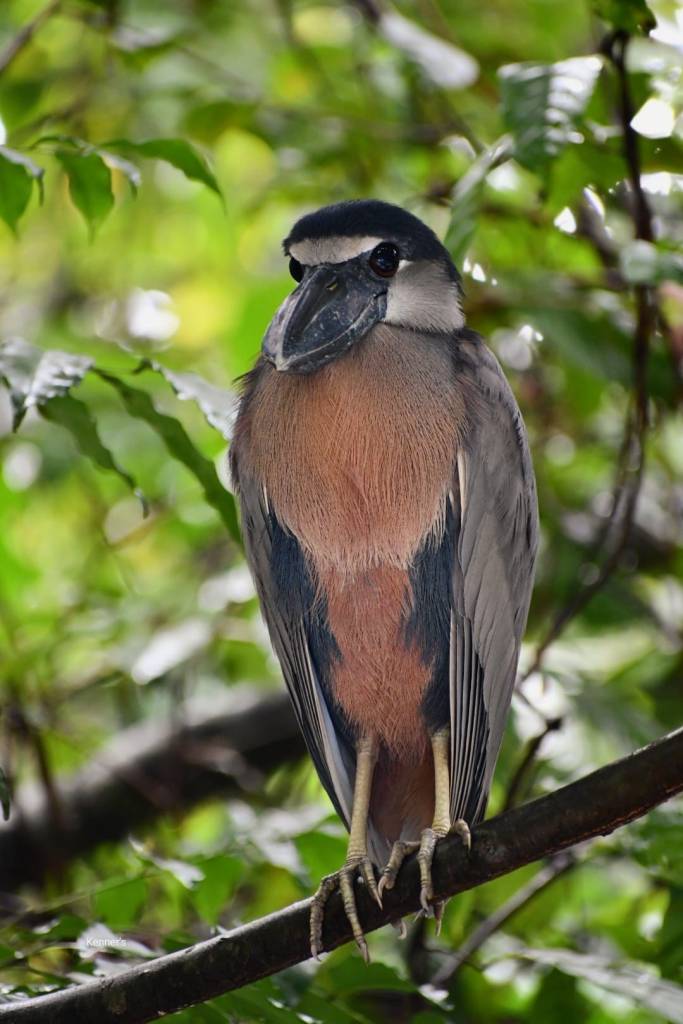
Boat-Billed Heron (Cochlearius cochlearius)
– Size: 50 cm (20 inches) in length.
– Habitat: Mangroves and riverbanks.
– Diet: Small fish, insects, and amphibians.
– Cool Fact: Known for its large, scoop-shaped bill, this bird is active mostly at night, fishing in the dark!
– Conservation Status: Least Concern.
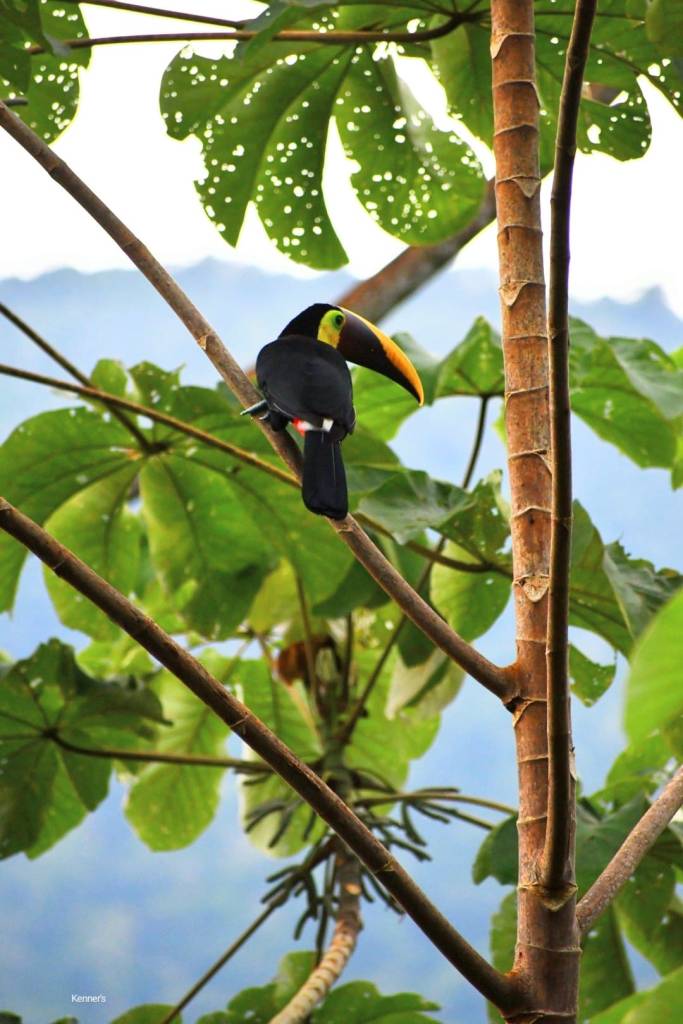
Keel-Billed Toucan (Ramphastos sulfuratus)
– Size: 42 to 55 cm (16-22 inches) in length with a beak that can grow up to 20 cm (8 inces).
– Habitat: Mangroves and tropical rainforest canopies.
– Diet: Primarily frugivorous – eats a wide variety of fruits but will also consume insects, lizards and small birds.
– Cool Fact: Despite their large and colorful bills, toucans are light and efficient flyers. Their beak is made of keratin, making it strong yet hollow and lightweight!
– Conservation Status: Least Concern, though habitat loss poses and increasing threat to populations.
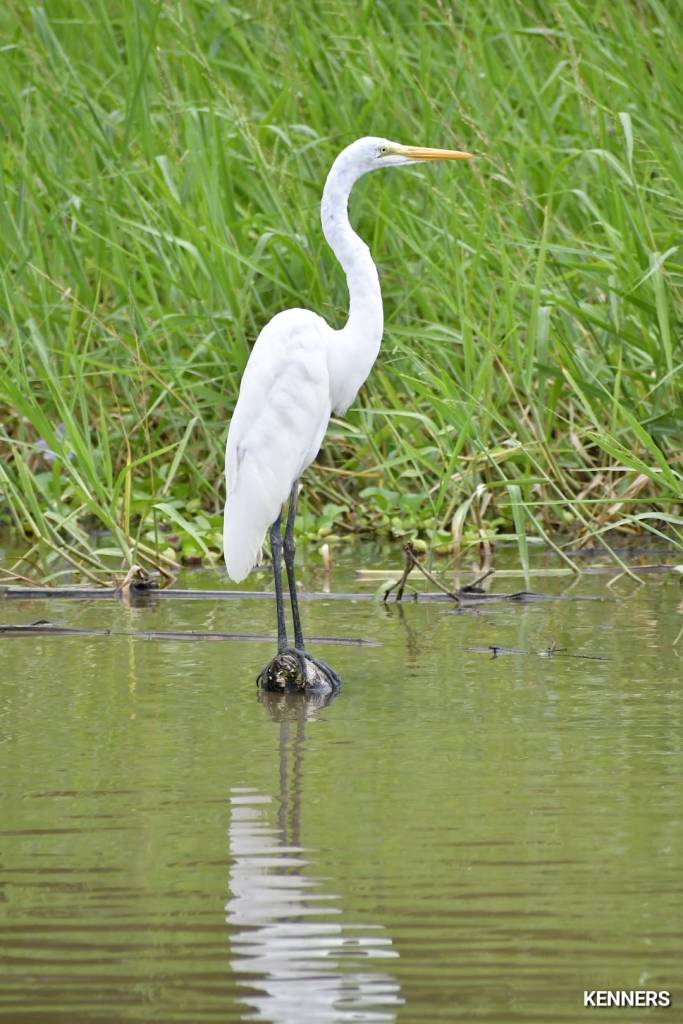
Great Egrit (Ardea alba)
– Size: 80 to 100 cm (31 to 39 inches) tall, with a wingspan of up to 170 cm (67 inches).
– Habitat: Found in wetlands, mangrove forests, rivers, and coastal areas. Egrets thrive in areas with access to shallow water where they hunt for prey.
– Diet: Carnivorous—feeds primarily on fish, amphibians, small reptiles, and insects. It hunts by wading slowly through the water or standing still, waiting to spear prey with its sharp bill.
– Behavior: Solitary hunters but often roost in colonies with other wading birds. They are diurnal and can be seen hunting at dawn or dusk.
– Cool Fact: The great egret’s long neck and spear-like bill make it a highly effective hunter, and it strikes with remarkable speed.
– Conservation Status: Least Concern, with stable populations, though habitat loss due to wetland destruction can pose threats to local populations.
These are just a few of the incredible animals that call the Sierpe mangroves home! To witness the beauty and diversity of this unique ecosystem up close, schedule your mangrove tour today and embark on an unforgettable adventure into nature!
 Kenner's Adventure Tours